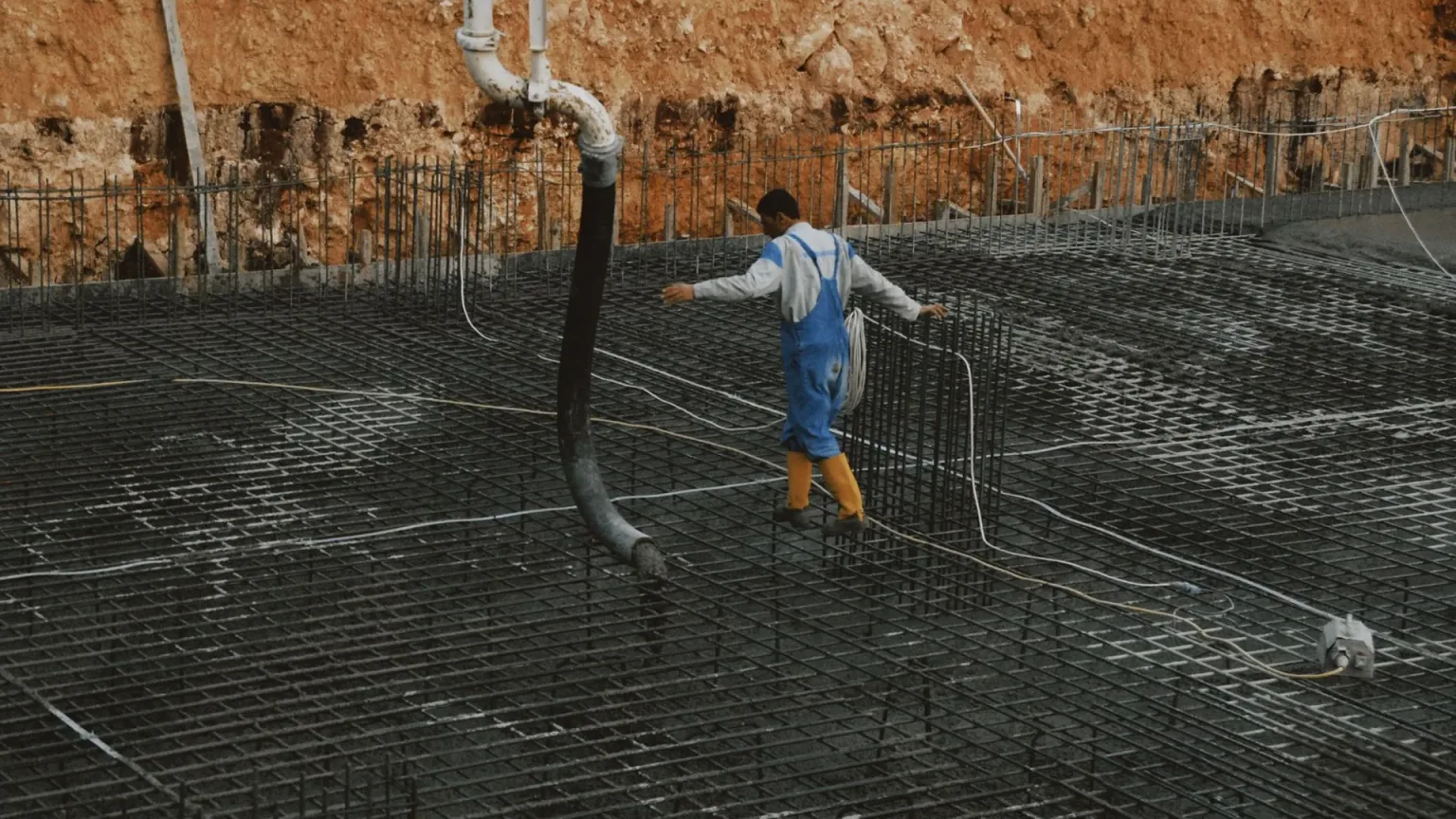
Pumping versus barrowing concrete: cost factors in Bristol
When a mixer lorry cannot get close to the pour point, the concrete has to be moved by a pump or by hand with barrows or dumpers. The choice shapes the cost, the labour, the time on site and the amount of wet concrete handled by the team. Hard-to-reach sites in Bristol, such as rear gardens behind terraced houses or properties at the end of narrow lanes, often make the decision for the buyer. This guide explains the pump types, what drives the price, and when barrowing is still the sensible option.
Line pump and boom pump differences
Concrete pumps come in two main forms. A line pump is a trailer or small truck with a pump unit and a flexible hose, usually run by a single operator. The hose is laid by hand across the site and can be extended with additional lengths. It suits small to medium jobs where the pour point is not far from the pump, and where the route for the hose is clear of obstacles.
A boom pump, sometimes called a truck-mounted pump, has an articulated arm that folds out over the site and places the concrete through a hose at the end. It can reach over buildings, fences and gardens without the hose being laid on the ground, which makes it efficient for larger pours. It needs a firm, level base for its outriggers, and it needs space for the truck to set up and for the arm to fold out.
The choice between them is a matter of reach, volume and access. A line pump is often the cheaper option for a short run, but it can be slow for a large volume, because the hose has to be moved and cleaned. A boom pump can place a large volume quickly, but its size can be a problem on a narrow street or a sloping drive.
Reach and set-up time
Reach is the distance the concrete has to travel from the pump to the place it is needed. A pump has a maximum reach, and the hose or boom has to be positioned within it. Long runs through a house or along a side passage can exceed what a line pump can manage, and a boom pump may need a position where its arm can clear the roofline.
The concrete itself arrives on a schedule. The British Ready-Mixed Concrete Association describes ready-mixed concrete as delivered just in time, so a pump that arrives late holds up a batch that is already running down its working life.
Set-up time is the period needed to position the pump, lay the hose, check the access and prepare the discharge point. Set-up is often underestimated, and a pump that arrives late holds up the lorry, the team and the mix. Agree a start time with the pump operator and the supplier, and have the formwork and the team ready before the pump is due.
Set-up time also affects the charge. A pump that has to wait while the team finishes the formwork, or that cannot set out because the access is blocked, will usually charge for the waiting time. Check the terms before the day, and confirm what counts as set-up and what counts as waiting.
Access and ground support
A pump is heavy, and its outriggers exert concentrated loads on the ground. A drive, a path or a lawn that has not been designed for those loads can crack, sink or rut. Ask the pump operator for the weight and the outrigger footprint, and check whether the ground beneath the pump will take them. Drains, chambers and buried services should be identified before the pump is positioned over them.
Where the pump must stand on a footway or verge, the rules on vehicle crossings apply. The Highways Act 1980, section 184 gives the highway authority powers over vehicles that cross kerbed footways, so a pump should not be positioned there without checking first.
Overhead cables and tree branches also matter for a boom pump, because the arm must clear them during set-up and during the pour. The operator will need a clear view of the working area and a safe place for the boom to fold. A narrow street with low wires may rule out a boom pump altogether.
Ground support is also a question of stability on slopes. A pump on a sloping site needs a levelled base, and the operator may refuse to set up on ground that is not firm. Check with the operator before the order is placed, and send a photograph of the access route if the site is unusual.
Alternatives like barrows and dumpers
Barrowing and dumper work remain practical for small volumes and short runs. A wheelbarrow carries a modest load and can be moved over paths and planks, while a powered dumper carries more and handles uneven ground. Both are slower than a pump and both are physically demanding, but neither needs a large vehicle on site.
The cost of barrowing is mainly labour. A team of two or three people working with barrows can place a small volume in an afternoon, but the work is hard and the time adds up quickly for anything larger. Dumpers reduce the effort, but they need access and a route that will take their weight. Barrow runs can damage lawns and soft ground, so boards laid along the route are often needed.
Health is part of the cost. Wet concrete is alkaline, and workers who handle it for long periods risk skin damage. The HSE guidance on cement explains that cement-based products can cause dermatitis and burns, and that workers should wash off any cement during the day and wear suitable gloves. Those precautions take time, which should be included in the estimate for a barrowed pour.
What drives the price
Several factors set the price of a pump or a barrowed pour. Volume matters, because a larger pour spreads the set-up cost over more concrete. Reach matters, because a long hose or a distant pour point needs more equipment and more time. Access matters, because a difficult site increases set-up time and may require a smaller pump. The time on site matters, because the pump is charged for the period it is held.
Other factors include the type of pump, the number of operators, the weather and the distance the pump has to travel to reach the site. A pump booked for a short window may cost more per hour than one booked for the full day. Ask the supplier or the pump hire company to give the price in terms of set-up, hourly rate, minimum charge and any waiting time, so the total is clear before the day.
Ask whether the pump price includes the hose, the operator and cleaning. Some companies charge separately for the hose or for cleaning the pump after the pour, and those extras can make a difference to the final figure.
When barrowing is still the sensible choice
For a very small job, a barrow run may be cheaper and quicker than booking a pump. A few cubic metres placed over a short distance can be moved by hand in less time than it takes to arrange a pump. Barrowing also suits sites where a pump cannot get in at all, but a route for a barrow exists.
The decision should consider the people doing the work as well as the cost. A large volume moved by barrow is hard on the body and increases the chance of spills and uneven placement. A pump gives a steadier flow and fewer handling points, which can produce a better finish. If the job is large, the pump is usually the better choice even if it costs more.
If the lorry cannot reach your property, the lorry access guide explains the checks to make before choosing between a pump and barrowing. The paving and front garden guide covers the surfaces that a pump or barrow run will be used to place, and the request form lets you send the access details so each supplier can price the method that fits.
A pump or a barrow is a tool for getting concrete from the lorry to the place it is needed. Choose it by reach, volume and access, and make sure the team is ready when it arrives.
The services page lists the concrete and groundworks that can be arranged with a pump or a barrow, and the Bristol area page shows the districts where that work is carried out.
Sources and further reading
- Ready-mixed Concrete (Mineral Products Association)
- Highways Act 1980, section 184: vehicle crossings over footways and verges (legislation.gov.uk)
- Construction hazardous substances: cement (HSE)