Emergency Concrete Response for Emergency Callouts

Emergency Concrete Response for Emergency Callouts in Bristol

Compare written emergency concrete response proposals for emergency callouts in Bristol against the same brief, schedule, and exclusions.
Compare Quotes
  • Define the emergency concrete response outcome and current site condition
  • Include access, occupancy, timing, and handover needs for emergency callouts
  • Compare inclusions, exclusions, proposed method, evidence, and price

Concrete Driveway Paving & Apron Replacement Quote

Reinforced poured concrete driveways, RV parking extensions, curb aprons, and decorative aggregate finishes.

Step 1 of 8: What type of driveway paving project is required?

What type of driveway paving project is required?

What type of driveway paving project is required?

emergency concrete response for emergency callouts

Emergency Concrete Response for Emergency Callouts in Bristol: what the work involves

Urgent concrete problems usually show up as a hazard rather than a slow defect: a section of yard or driveway has sunk or collapsed, a void has opened under a slab, a vehicle has struck and damaged a column, kerb or ramp, a flight of external steps has broken up, or a large hole has appeared in a busy car park. The first priority is to stop people and vehicles using the area. Fence or cone it off, keep vehicles well back from the edge of any hole, and warn anyone who needs to pass.

Emergency Concrete Response for emergency callouts in Bristol

Try to work out why it happened before anyone fills the hole. Sudden sinking is often caused by something underneath, such as a collapsed drain, a leaking water main washing away the ground, or poorly compacted fill. If you can smell gas, move people away and report it to the national gas emergency line; if water is running, the water company needs to know; and if a public sewer or the highway is involved, the relevant authority is responsible. Filling a void over a broken drain only moves the problem.

Some damage needs an engineer before a contractor. Cracking or displacement in a retaining wall, a suspended slab, a car park deck or a column hit by a vehicle may affect the structure, and a structural engineer should assess it before repairs are specified. Temporary propping or barriers may be needed in the meantime. Where the damage is to a slab laid directly on the ground, a concrete contractor can usually assess it and make it safe.

What the work usually involves

When you make an enquiry, describe what has happened, the size and depth of the damage, what the area is used for, whether the cause is known, and whether utilities or drains are nearby. Photographs with something in the frame for scale help. Independent concrete contractors can then advise whether a temporary measure, such as a steel road plate, a cold-lay patch or a rapid-setting mortar, is appropriate until a permanent repair can be designed, and what that temporary measure will and will not withstand.

A permanent repair normally means breaking out the damaged concrete back to sound material, dealing with the cause below, rebuilding and compacting the sub-base, and casting new concrete tied into the existing slab with suitable joints. Rapid-hardening mixes can reopen an area sooner, but they cost more and still need correct preparation. Ask how the repair will be joined to the existing concrete, because the edges of a patch are where water gets in and failures start again.

What to look for in a quote

Keep records for insurers and for your own liability. Photograph the damage before anything is moved, note when it was found and what was done to make it safe, and keep any report on the cause, such as a drain survey. If someone was injured, record the incident, and in a workplace consider whether it needs reporting under RIDDOR. If a third party caused the damage, such as a delivery vehicle, keep the details for a claim.

Before agreeing urgent work with the concrete contractors you are put in touch with, ask what the first visit covers, whether the price is for making safe only or for the permanent repair, whether a drain survey or an engineer's input is allowed for, and when the area can be used again after each stage.

Before You Compare

Gather the details needed to compare written quotes

Measurements, photographs, inclusions, credentials, and handover expectations give each provider the same evidence base.
01Act 01
  1. Surface the constraints

    Start with what exists now, what needs to change, when the work is needed, and the operational requirements for emergency callouts. Attach dimensions or images that help explain it.
  2. Align the inclusions

    Line up emergency concrete response specifications, exclusions, method, materials or equipment, timing, and payment stages before comparing the final totals.
02Act 02
  1. Check the evidence

    Ask for the credentials and insurance relevant to emergency concrete response, plus any warranty, inspection, testing, or handover records offered.
Emergency Callouts emergency concrete response quote planning

Prepare a quote brief for Emergency Callouts

Use one detailed brief for emergency callouts, then compare each response for scope, exclusions, schedule, evidence, and price.
Compare Quotes
Designed for Emergency Callouts

How emergency concrete response usually runs

Use the same audience-specific brief from first enquiry through comparison and final confirmation, so assumptions about emergency concrete response stay visible.
1. Define the working brief
Record the current condition, desired outcome, location, access, occupancy, timing, and site contact for emergency callouts.
2. Compare written proposals
Check each emergency concrete response quote for inclusions, exclusions, method, prerequisites, timing, price, and the evidence offered.
3. Confirm before work starts
If you choose a proposal, confirm the agreed scope, schedule, access plan, payment stages, and handover records directly with that provider.
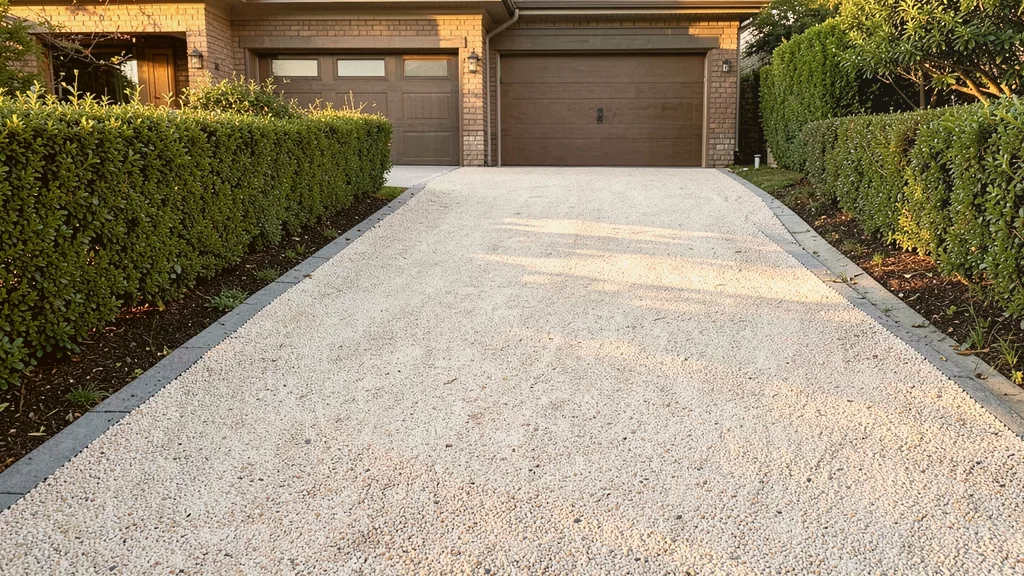
Illustrative photography

Recognise the scope before requesting written quotes

These illustrative photographs can help identify visible elements for a brief, but a provider must assess the actual site and scope.

Explore the available service guides

Other Services for Emergency Callouts

Review the services available in Bristol and choose the guide that best matches the work emergency callouts need priced.
Concrete Assessment & Consultation for Emergency Callouts
Explore concrete assessment & consultation options for emergency callouts and the questions to ask before enquiring.See Concrete Assessment & Consultation for Emergency Callouts
Standard Concrete Solutions for Emergency Callouts
Explore standard concrete solutions options for emergency callouts and the questions to ask before enquiring.See Standard Concrete Solutions for Emergency Callouts
Commercial Concrete for Emergency Callouts
Explore commercial concrete options for emergency callouts and the questions to ask before enquiring.See Commercial Concrete for Emergency Callouts
Residential Concrete for Emergency Callouts
Explore residential concrete options for emergency callouts and the questions to ask before enquiring.See Residential Concrete for Emergency Callouts
Preventative Maintenance & Care for Emergency Callouts
Explore preventative maintenance & care options for emergency callouts and the questions to ask before enquiring.See Preventative Maintenance & Care for Emergency Callouts
System Upgrades & Modernization for Emergency Callouts
Explore system upgrades & modernization options for emergency callouts and the questions to ask before enquiring.See System Upgrades & Modernization for Emergency Callouts

Compare Emergency Concrete Response quotes for Emergency Callouts

Submit one enquiry with your audience requirements in Bristol, then review comparable proposals from providers covering the area.
Step 1 of 8: What type of driveway paving project is required?

What type of driveway paving project is required?

What type of driveway paving project is required?